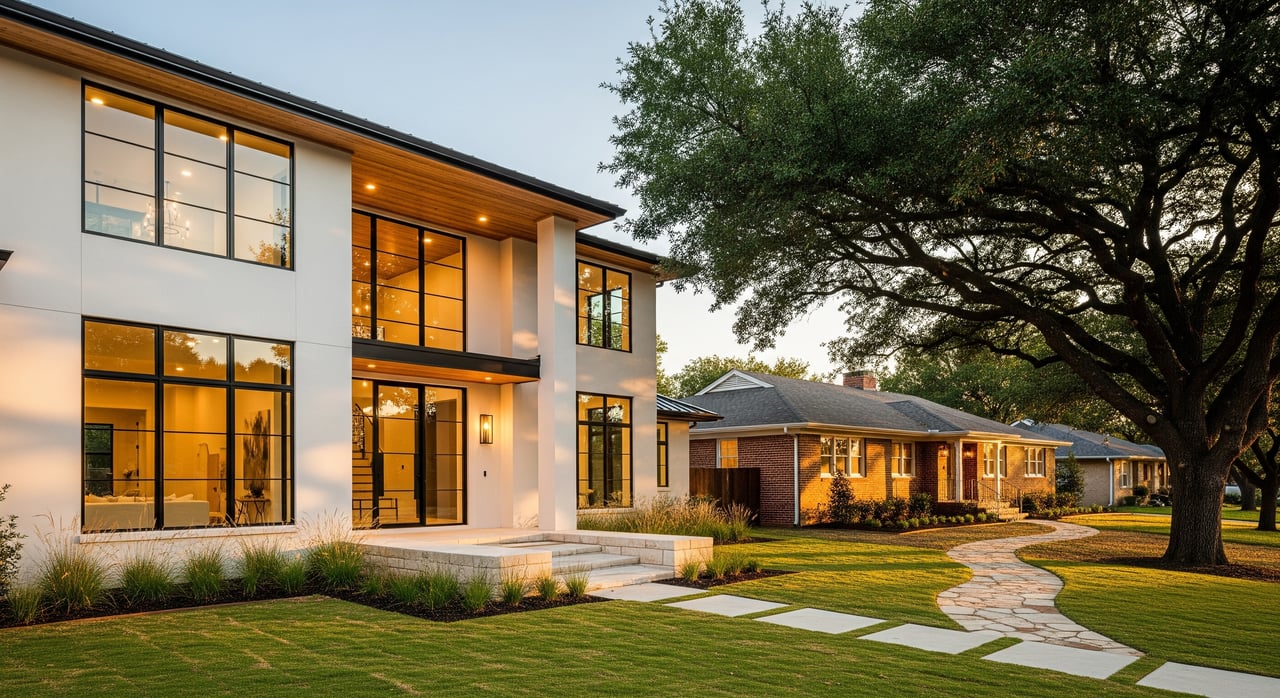
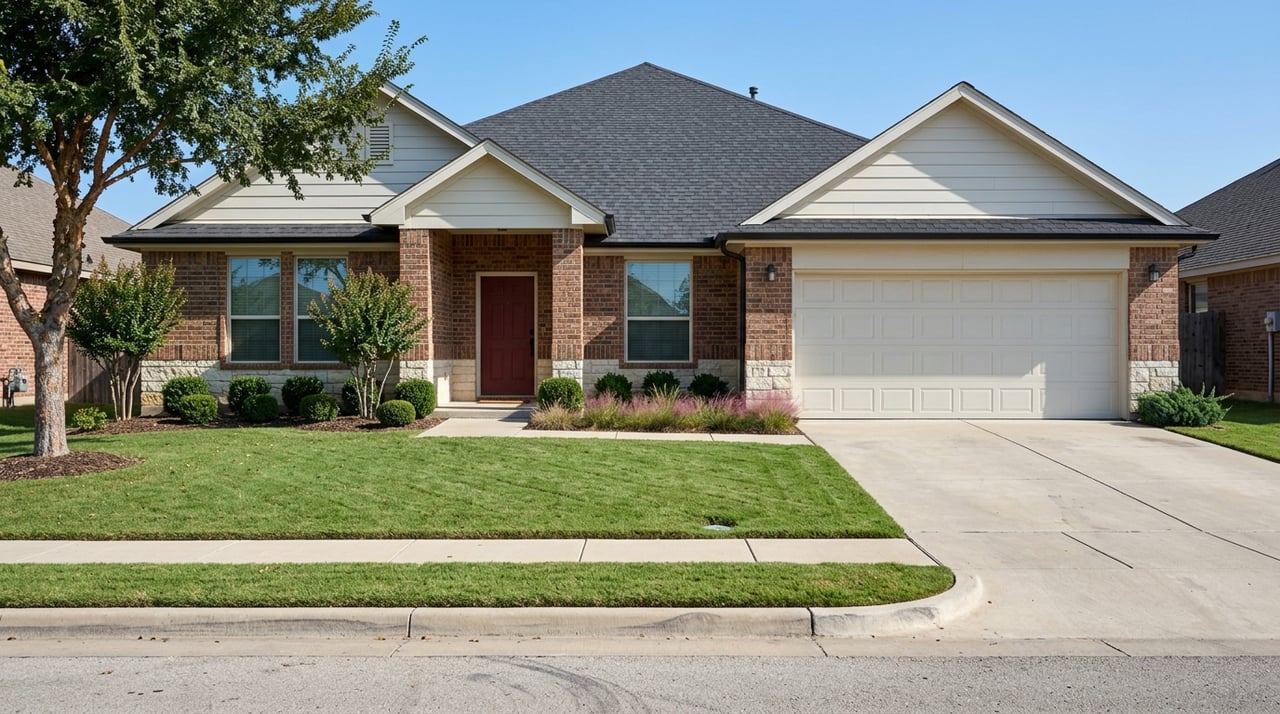
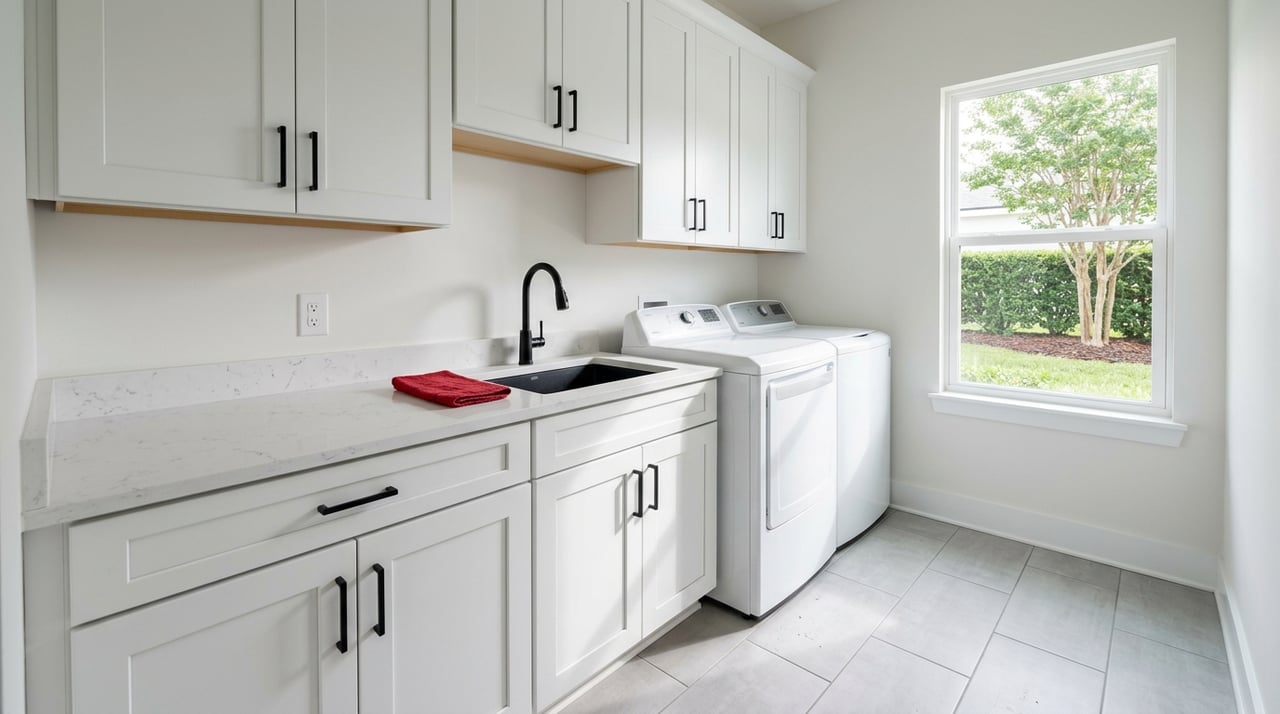
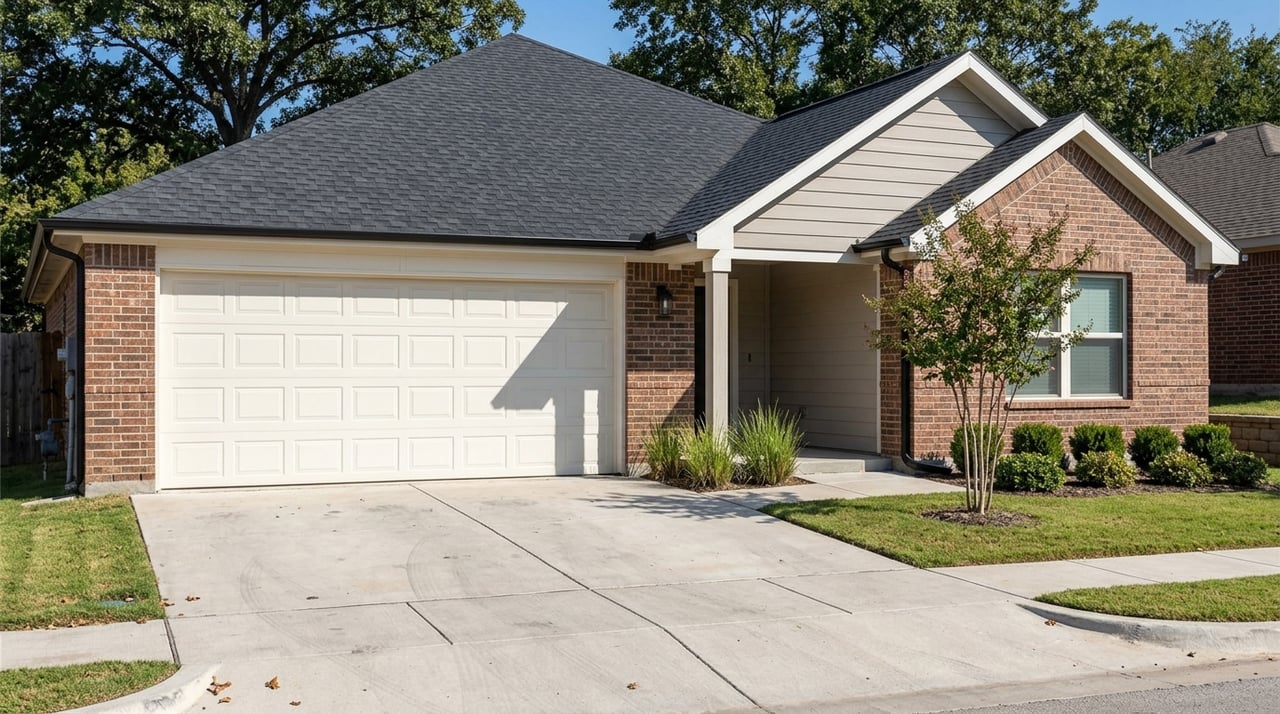
Are you torn between a brand-new build and a move-in-ready resale in Moore? It’s a big choice, especially with budget, timing, and storm safety on your mind. This guide walks you through costs, timelines, warranties, financing, and local factors so you can choose with confidence. Let’s dive in.
Compare prices the right way
Price-per-square-foot only works if you compare apples to apples. New homes often show a base price, then add upgrade selections and lot premiums. Resales usually reflect a finished product with landscaping and appliances already in place.
- Compute an effective price per square foot: (purchase price + documented upgrades + lot premium) divided by finished livable square feet.
- Adjust for lot size and position, included appliances, landscaping, driveway and fencing, and any finished bonus spaces.
- Pull recent closed sales from the local MLS for similar size, age, and area. Use median values for the specific Moore neighborhood.
- Ask builders for line-item lists of what’s standard versus upgraded. Compare those features to nearby resales.
Warranties and maintenance
A major advantage of new construction is the warranty coverage. While terms vary by builder, the common structure is:
- 1 year for workmanship and materials (cosmetic and finish items)
- 2 years for systems (HVAC, plumbing, electrical)
- 10 years for major structural defects (often third-party insured)
Resale homes usually do not include a comprehensive builder warranty. Some sellers may offer a 1-year home warranty as part of negotiations. Expect more near-term maintenance or replacement costs with older roofs, HVAC units, and water heaters.
Energy efficiency also matters. Newer builds typically have improved insulation, windows, and HVAC performance, which can mean lower utility bills early on. Verify with the builder’s spec sheets or energy ratings when available.
Storm safety and insurance in Moore
Moore is in a severe-weather zone. Ask about safe rooms or storm shelters, reinforced construction, and roofing standards. Standard homeowners insurance typically covers wind and tornado damage. Flood coverage is separate, so check whether a property lies in a flood-prone area and what coverage you may need.
Move-in timing and typical delays
Your timeline is a key deciding factor.
- New construction: Full builds commonly take 4 to 8 months for many spec homes, and longer for build-to-order. Weather, permit approvals, utility hookups, change orders, and materials can all affect timing. Builders usually provide estimated completion dates with delay clauses.
- Resale: With a standard mortgage, closings often happen in 30 to 45 days. Cash or strong preapproval with a local lender can move faster. Inspections, appraisals, and repairs can extend timelines.
Local permitting and inspections in Moore also play a role. Check current expectations with the City of Moore’s building department when timing is critical.
Location tradeoffs in Moore
Both new subdivisions and established neighborhoods offer benefits.
- New subdivisions: You may see newer schools, planned amenities, and energy-efficient designs. Expect ongoing construction and potential future phases that can change traffic or long-term feel.
- Established neighborhoods: Mature trees and an established community character are common, with convenient access to older commercial centers. Utilities or infrastructure may be older.
Verify lot size and setbacks, and ask about any planned adjacent development. School boundaries are important for many buyers. Review district boundary maps and commute routes, and consider how they match your daily routine. For storm or flood concerns, check current requirements and maps before you decide.
Negotiation dynamics and concessions
New construction and resale deals play by different rules.
- Builders: They may be firmer on base price but flexible on incentives like closing-cost contributions, upgrades, appliance packages, rate buydowns, or lot credits. Timing matters. End-of-quarter or slower sales periods may bring better concessions. Builders prefer predictable closings with fewer contingencies.
- Individual sellers: Flexibility depends on motivation, days on market, and comparable sales. You may negotiate price reductions, repair credits, or favorable closing dates. Inspection findings often drive repair conversations, and appraisal results can require creative solutions.
Financing and appraisal differences
Financing can look different depending on what you buy.
- New construction: You may see builder financing offers or construction-to-permanent loans. Some builders offer rate incentives or lender credits with a preferred lender. If you buy a completed spec home, conventional financing typically applies. Limited recent sales in a brand-new subdivision can affect appraisals and create appraisal gap risk.
- Resale: Conventional, FHA, and VA loans are common. Appraisals rely on surrounding comps and historical sales. Keep appraisal contingencies in mind so you have a plan if values do not align.
A simple decision framework
Use this quick scoring approach to match the path to your priorities. Rate each factor 1 to 5 for both new and resale, then apply the suggested weights.
- Timeline speed (20 percent): Need move-in within 30 to 45 days or flexible for several months?
- Budget sensitivity (20 percent): Which option gives you a better effective price per square foot with features you value?
- Customization (15 percent): Do you want to choose finishes and layout options or prefer a finished home?
- Maintenance and warranty (15 percent): How important is low initial upkeep and warranty coverage?
- Location and daily life (15 percent): Consider neighborhood maturity, commute, and school boundaries.
- Risk tolerance (15 percent): Comfortable with construction variability and delays or prefer known conditions?
Add your weighted totals. The higher score shows the better fit for your needs.
Practical next steps in Moore
- Get preapproved and discuss construction versus purchase loan options with a local lender.
- Pull 6 to 12 months of sold comps from the MLS for your target neighborhoods to set realistic expectations.
- For builders: request written warranty terms, full line-item pricing, included features, and the community development plan with phase timelines.
- For resales: order a thorough home inspection and review seller disclosures, utility bills, and any past repair records.
- Ask the City of Moore about permit timelines and any relevant building code standards, especially roofing and storm safety.
- Include insurance quotes for wind and tornado coverage in your monthly cost comparison. Add flood insurance if applicable.
How Steve structures offers
New construction offer playbook
- Earnest money: Align with builder expectations to show seriousness without overcommitting.
- Inspections: Negotiate independent inspections at pre-drywall and final, with defined time windows and punch-list deadlines.
- Financing: Keep a financing contingency unless paying cash. If using a preferred lender for incentives, clarify rate lock terms and timelines.
- Appraisal protection: Aim for an appraisal contingency. If needed, define appraisal gap language with a maximum dollar amount you are willing to cover.
- Timeline and delays: Reference the builder’s estimated completion and request remedies or credits for excessive delays. Document punch-list processes.
- Upgrades: Attach an itemized list of included upgrades and allowances. Require written change-order pricing and limits on late-change fees.
- Credits: Request closing-cost contributions or rate buydowns as a seller concession where appropriate.
Resale offer playbook
- Price and earnest money: Use competitive earnest money that matches Moore norms and signals commitment.
- Inspection contingency: Include a full inspection with a clear negotiation process and reasonable timelines.
- Repair strategy: Prioritize structural and major systems. Decide whether credits or repairs before closing work best for your situation.
- Appraisal contingency: Keep it in place unless you are prepared to handle a gap. Consider escalation language tied to comps if needed.
- Financing contingency: Include standard approval and appraisal timelines.
- Closing and occupancy: Match the seller’s preferred timing for leverage or negotiate rent-back if they need time after closing.
- Home warranty: Ask the seller to provide a 1-year home warranty to reduce early repair risk.
- Title and HOA: Request title commitment and HOA documents early. Reserve the right to terminate if covenants or fees are unacceptable.
Ready to compare specific homes?
If you want a side-by-side analysis of a new build and a resale in your target Moore neighborhood, you can get local comps, warranty details, and a clear plan for financing, inspections, and negotiations. Reach out to Steve Mckenzie to walk through your options and map the best path to your keys.
FAQs
In Moore, are new homes always pricier per square foot?
- Not always. Compare the effective price per square foot after adding upgrades and lot premiums for new builds, then measure against recent closed comps for similar Moore homes.
Do new-home warranties make buyers safer?
- Many builders provide 1-year workmanship, 2-year systems, and 10-year structural coverage. This reduces near-term repair risk. Always read the actual written warranty, limits, and claim process.
How much faster is a resale closing in Moore?
- Resale transactions often close in 30 to 45 days with a mortgage. New-construction timelines are usually several months and can shift due to weather, materials, and inspections.
Should I waive contingencies to get builder incentives?
- Waiving protections raises risk. Instead, negotiate staged inspections for new builds and set clear cure deadlines. For resales, inspections are usually essential unless you fully accept unknowns.
How do tornado risks affect my decision in Moore?
- Many buyers prioritize safe rooms, reinforced building elements, and insurance coverage. Ask whether new builds include or can accommodate a safe room, and evaluate retrofit options on resales.