Choosing Yukon As Your Oklahoma City Suburb
July 9, 2026
July 9, 2026
Wondering if you can get suburban space without feeling cut off from Oklahoma City? Yukon is one of those places that often lands on a buyer’s shortlist for exactly that reason. If you are comparing OKC-area suburbs, this guide will help you understand Yukon's location, housing mix, daily convenience, and overall lifestyle so you can decide if it fits what you want. Let’s dive in.
Yukon sits on the western edge of the Oklahoma City metro, which gives you a suburban setting with direct ties to the larger city. Local city materials note that Oklahoma City is about 16 miles away, and Yukon has four major Interstate 40 access ramps. Route 66 also runs through downtown, with the Kilpatrick Turnpike nearby.
That location matters if you want room to spread out while keeping commutes practical. Census data shows a mean one-way travel time to work of 23.7 minutes for Yukon workers. City planning documents also note that many residents commute outside city limits for work, which supports Yukon's role as a commuter-friendly suburb.
If your work, errands, or weekend plans take you across the metro, Yukon offers a strong road-access story. Interstate 40 is a major piece of that, and nearby turnpike access adds another layer of convenience. For many buyers, that makes Yukon feel connected rather than isolated.
The city is also investing in key corridors that affect how you move around town. Public documents highlight ongoing work and planned improvements along Garth Brooks Boulevard, including turn lanes, sidewalks, a fifth lane, and a 10-foot multimodal trail. There are also current I-40 ramp impacts tied to city work on that corridor.
For you as a buyer, good access can shape everything from your morning routine to how easily you meet friends, get to shopping, or head into Oklahoma City. Yukon’s layout supports a pattern many suburban buyers want: a home base outside the urban core with straightforward driving routes. That is a practical advantage if commute time and convenience are high on your list.
Yukon’s housing story is mostly suburban and ownership-focused. The Census Bureau reports 10,061 total housing units, a 68.9% owner-occupied housing unit rate, a median value of owner-occupied housing units of $198,900, and a median household income of $75,273. Those figures point to a market where homeownership plays a major role.
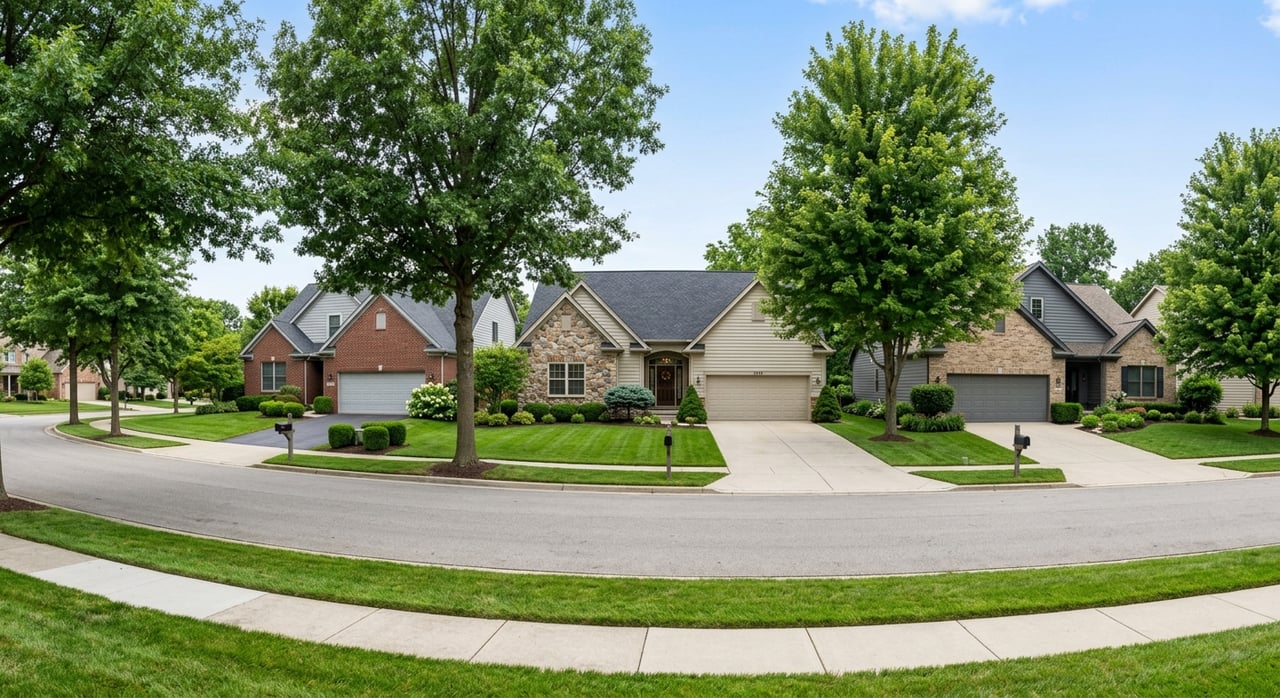
From a layout perspective, Yukon is not just one type of neighborhood repeated over and over. The city’s comprehensive plan describes several residential patterns, which helps explain why different parts of Yukon can feel different depending on where you look.
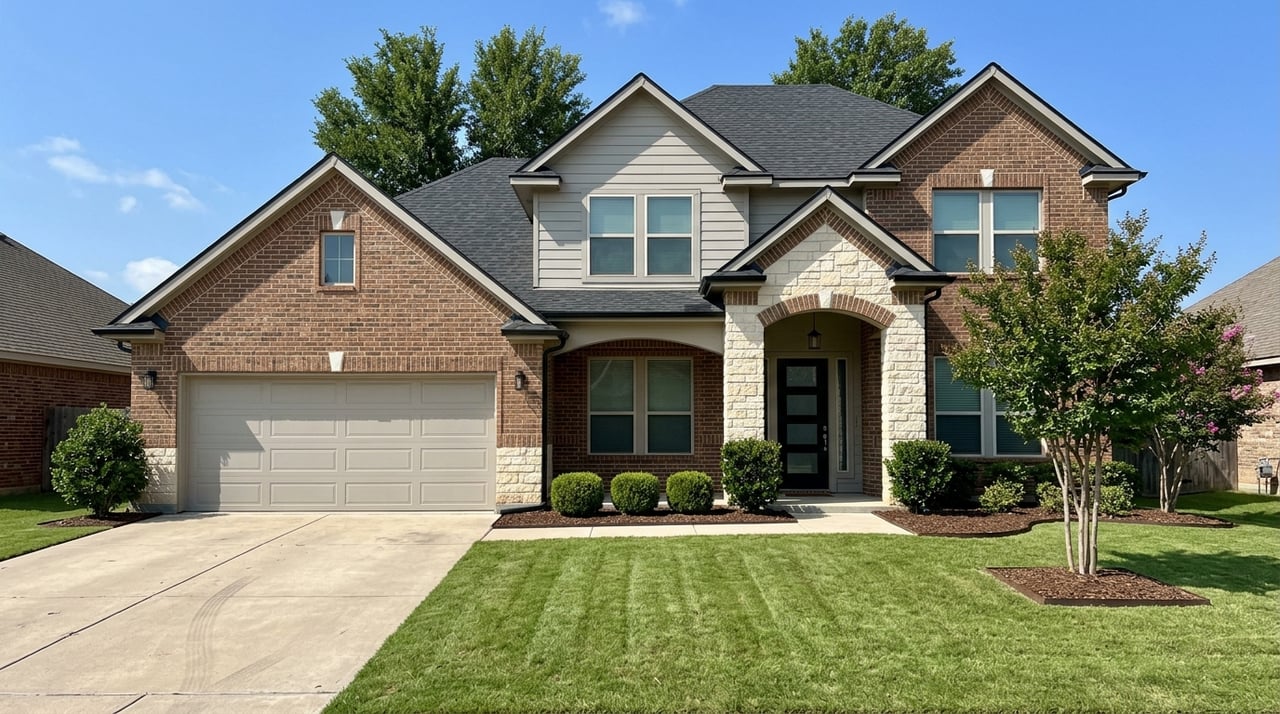
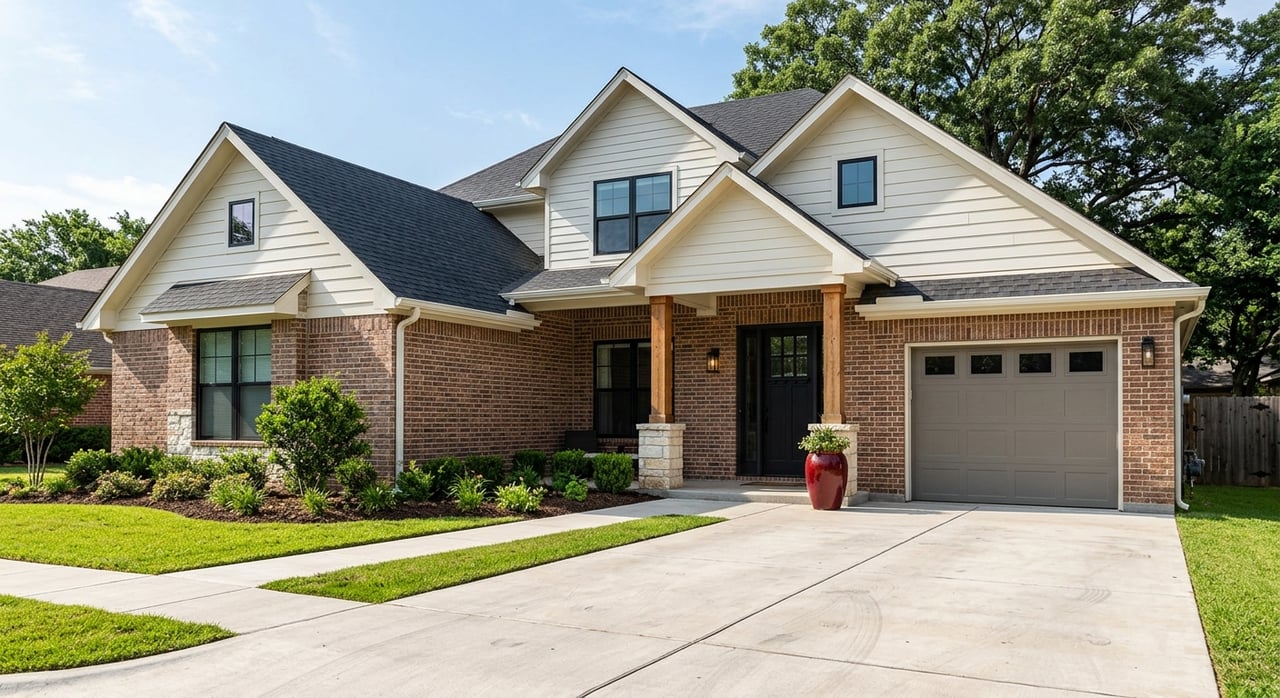
The city plan describes older low-intensity areas as residential subdivisions developed over the past 50 years. In these areas, future new homes are generally expected to come through infill that matches surrounding neighborhood patterns in siting, scale, and setback. For you, that often means a more established suburban setting instead of a brand-new area from scratch.
On the north side of the city, planning documents point to agriculture and estate land supporting large-lot residential estates. If you want more land or a lower-density feel, this is an important part of Yukon’s housing picture to keep in mind. It adds variety beyond the typical subdivision model.
Downtown is identified as an urban-intensity area that builds on a walkable core. While Yukon is still largely suburban overall, this area reflects a different style of development pattern. Buyers who want to be closer to downtown activity may find that part of the city especially interesting.
Yukon tends to appeal to buyers who want a suburban home base with easy metro access. The combination of owner-occupied neighborhoods, established subdivisions, large-lot possibilities, and convenience corridors creates a flexible option set. That can be helpful whether you are buying your first home or looking for a move-up property.
It can also be a practical place to look if you want a detached single-family home market rather than a renter-dominant environment. Based on the city plan and owner-occupancy data, Yukon reads as a predominantly suburban detached-home market, with denser mixed-use concepts more concentrated near downtown. For many buyers, that balance feels familiar and easy to understand.
A suburb is not just about the house. It is also about what life feels like once you are home. Yukon has a strong public-facing parks and recreation identity, with the Yukon Parks & Recreation Department maintaining more than 218 acres across 11 parks.
City Park is one of the major anchors, with ponds, two playgrounds, tennis and pickleball courts, trails, and a walking track. Freedom Trail Park adds a splash pad, basketball courts, picnic areas, and play equipment. Chisholm Trail Park includes tree-lined trails, ponds, Boot Hill, and event space connected to city celebrations.
These amenities shape everyday routines in a real way. You may care about walking trails, play areas, or simple outdoor space close to home. Yukon offers that kind of infrastructure through public parks rather than relying only on private neighborhood amenities.
Yukon also stands out for visible civic events. The city highlights recurring events such as Rock the Route, the Oklahoma Czech Festival, and the Chisholm Trail Festival. It also promotes Christmas in the Park as Oklahoma’s largest drive-thru light display, with more than 5 million lights and 500 displays.
That matters because community feel is easier to trust when it shows up in public space and recurring city traditions. In Yukon, the events calendar is part of the city’s identity. If you want a suburb that feels active beyond the boundaries of individual subdivisions, this is worth paying attention to.
For many buyers, convenience is not a bonus. It is part of the decision. Yukon’s retail and dining story centers on a few clear corridors, with downtown Route 66, Yukon Parkway, and Garth Brooks Boulevard playing major roles.
The Yukon 66 Main Street district stretches from Garth Brooks Boulevard to Highway 4 and includes local retail, professional services, specialty shops, restaurants, and culturally significant destinations. The city’s downtown planning efforts also aim to strengthen Downtown Yukon as a retail sales driver, mixed-use residential hub, civic and cultural anchor, and regional destination.
Yukon Parkway is another important piece of the convenience picture. In 2026, the City Council approved a TIF district there to support a high-impact commercial corridor with a sports facility, medical facility, hotel, and new dining options. That points to continued commercial growth rather than a static suburban pattern.
Garth Brooks Boulevard is also part of the city’s convenience story. Public investment there is tied to traffic flow, sidewalks, and multimodal improvements, which reinforces how central that corridor is to getting around and accessing services.
If you are trying to picture day-to-day life, Yukon offers a mix that many suburban buyers want. You can look at single-family neighborhoods, use major road connections to move around the metro, spend time in parks and trails, and rely on established retail corridors for regular errands. That is a big reason Yukon continues to get attention from buyers looking west of Oklahoma City.
The city also offers a more layered environment than some buyers expect at first glance. You have established residential subdivisions, large-lot areas, a walkable downtown core, public festivals, and expanding commercial corridors. That mix gives Yukon a broader appeal than a suburb built around only one development style.
Yukon may be worth a closer look if you want:
If those priorities sound like yours, Yukon checks a lot of important boxes. It combines suburban housing patterns with practical access and public amenities that support everyday life.
Choosing the right suburb is not just about square footage or price. It is about finding the place that fits your routine, your goals, and the way you want to live. If you want help comparing Yukon to other Oklahoma City suburbs or narrowing down neighborhoods and homes that match your budget, reach out to Steve Mckenzie.
Stay up to date on the latest real estate trends.