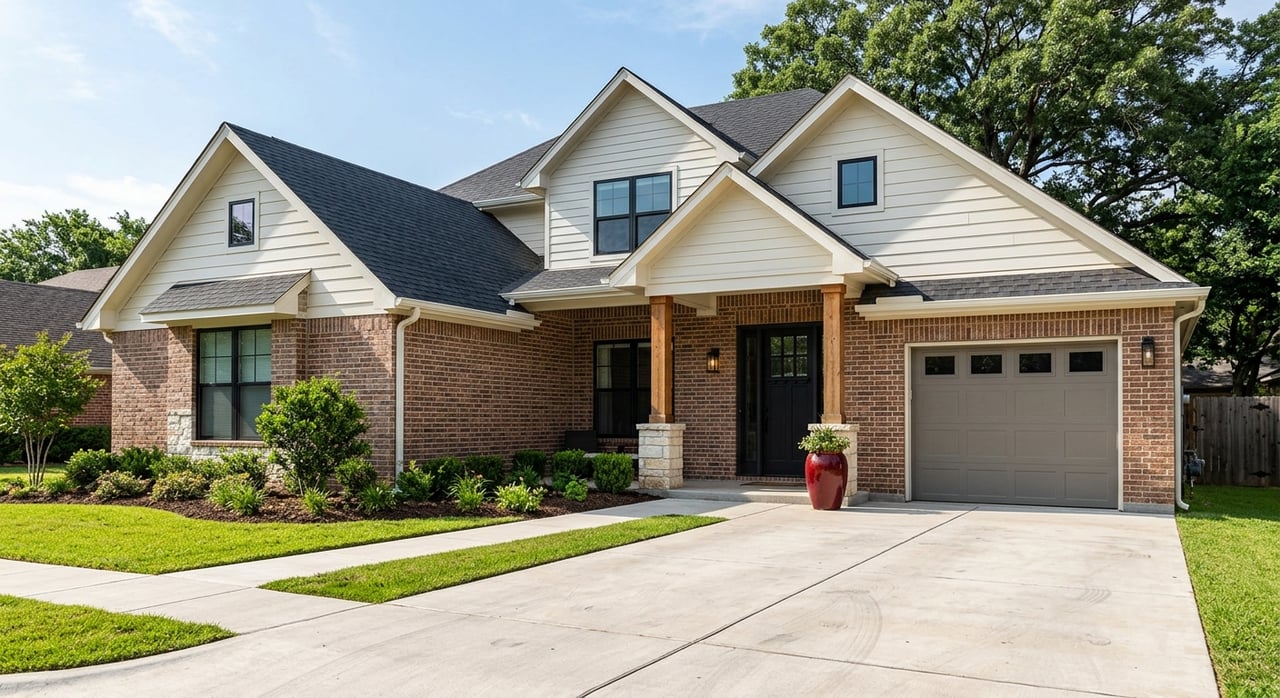
Buying and Selling a Home in Oklahoma City: Smart Strategies
May 7, 2026
May 7, 2026
If you’re trying to move from one home to the next in Oklahoma City, the biggest question often is not where to go. It’s when to buy, when to sell, and how to avoid a costly gap between the two. That can feel stressful, especially when your equity, budget, and moving timeline all depend on the right sequence. In this guide, you’ll see how buy-first, sell-first, and contingency-based strategies work in today’s Oklahoma City market so you can choose the path that fits your finances and comfort level. Let’s dive in.
Oklahoma City’s spring 2026 market looks more balanced than it did during the most competitive seller-market years. Market data in early 2026 shows median days on market in the low-to-upper 50s, sale-to-list performance around list price on average, and roughly 3.3 months of supply in the metro. In plain terms, homes are still selling, but buyers and sellers usually have a little more room to negotiate and plan.
That matters if you need to buy and sell around the same time. In a market that is not moving at a breakneck pace, a sale contingency may be more workable than it would be in a highly aggressive market. Still, your best option depends on your cash position, your lender’s requirements, and how much risk you’re willing to carry.
Buying first gives you the most flexibility if you want time to shop carefully and move on your own schedule. This approach can work well if you have enough savings, available equity, or a financing path that allows you to carry costs on both homes for a short period. It can also reduce the pressure of trying to find a new place immediately after your current home goes under contract.
The tradeoff is simple. Buying first usually creates more financial overlap. You may need to cover a down payment, closing costs, moving expenses, repairs, taxes, insurance, utilities, maintenance, and possibly two housing payments at once.
If you’re considering a bridge or swing loan, your lender will need to document that you can handle the full payment picture. Research in the report shows that an acceptable bridge-loan structure for conventional lending depends on how the loan is set up and whether the lender is satisfied with your ability to carry the debt. This means buy-first is often best for households with strong liquidity and steady income.
Selling first is often the safest route when your next purchase depends on the equity in your current home. It gives you a clearer budget because you’ll know your likely net proceeds before you shop. For many move-up buyers, that clarity can make the entire process feel more manageable.
This approach also lowers the risk of carrying two homes at once. If you do not want the pressure of overlapping mortgage payments, property taxes, insurance, and utilities, sell-first is usually the cleaner financial plan. It can be especially helpful if your monthly budget would feel tight during an overlap period.
The main downside is timing after the sale. If your next purchase is not lined up, you may need temporary housing, storage, or a flexible moving plan. That does not make sell-first the wrong choice, but it does mean you should think through the gap before your home hits the market.
Oklahoma’s real estate forms include an Estimated Net to Seller form and an Estimated Cost to Buyer form. Those tools can help you compare what you may walk away with from your sale and what you may need for the next purchase. For many homeowners, that side-by-side planning step is what makes the decision much clearer.
If buy-first feels too risky and sell-first feels too disruptive, a contingent purchase can offer a middle ground. Oklahoma has official addenda for buyers who need to sell their current property before completing a new purchase. That makes this strategy especially important for Oklahoma City area homeowners trying to move without taking on too much overlap.
In today’s more balanced local market, sellers may be more open to considering contingent offers than they were during peak competition. At the same time, sellers still have protections under the Oklahoma forms. That means a contingency can work, but you need to understand exactly what deadlines and conditions apply.
Oklahoma has a specific addendum for buyers whose current property is not yet under contract. Under that form, the transaction can terminate if your home does not sell by the closing date. If your property has not already been listed, the form requires it to be listed within 2 days after acceptance.
The seller may also keep marketing the home. If the seller receives a bona fide backup offer, the seller can require you to remove the condition, and you must respond within at least 24 hours. In practical terms, this strategy can buy you time, but not unlimited time.
There is also an Oklahoma addendum for buyers whose current home is presently under contract. In that version, your purchase is conditioned on the closing of your current sale. If that sale does not close by the stated deadline, the contract becomes null and void unless you give written notice at least 24 hours before the deadline that you will proceed anyway.
This version is often stronger than the not-under-contract option because your existing home is already farther along. Even so, the form expects you to move quickly on financing and inspections. A delayed sale on your current home can still affect the whole chain.
If you’re trying to buy and sell at the same time, small deadlines matter. Oklahoma’s 2026 residential sale form and financing supplements include several timing rules that can affect how smoothly your plan comes together. Missing one can create stress fast.
Here are a few of the most important details from the Oklahoma forms:
One especially important point for move-up buyers is this: loan approval is not automatically subject to the sale or closing of your current home unless the contract says so. If your next purchase depends on your current sale, that needs to be addressed properly in the contract structure.
Some Oklahoma City homeowners want to sell one home and buy the next on the same day. That can be possible, especially because financed closings and purchase closings often happen at the same time. But same-day closings only work when the lender, title or closing company, and both sides of each transaction are aligned.
Even a short delay can create a domino effect. Wire timing, final loan approval, signing schedules, and possession terms all need to be coordinated carefully. If you’re counting on sale proceeds from one closing to fund the next, a detailed timeline matters more than ever.
The right answer usually comes down to one question: Which problem would you rather solve, financial overlap or moving uncertainty? If carrying two homes would put too much pressure on your budget, selling first may be the better fit. If a temporary move sounds more disruptive than a short overlap, buying first or using a contingency may be worth exploring.
A simple way to think about it is this:
| Strategy | Best for | Main risk |
|---|---|---|
| Buy first | Buyers with savings, equity, or bridge-loan options | Overlapping housing costs |
| Sell first | Buyers who need sale proceeds or want budget clarity | Temporary housing or storage |
| Buy with contingency | Buyers seeking a middle ground in a balanced market | Contract deadlines and seller kick-out rights |
In Oklahoma City’s current market, there is often more room for planning than there was a few years ago. That does not remove the need for strategy. It just means you may have more than one workable path if you prepare early, understand the forms, and build a timeline around your finances.
Before you decide, start with your numbers. Estimate your likely sale proceeds, your cash needed to buy, and how much monthly overlap you could realistically handle. Then compare that with your target timeline and how flexible you can be on move dates.
From there, build your plan around deadlines, not guesses. If you may use a contingency, understand the 2-day listing rule, the 24-hour response window, and the closing deadline terms in the Oklahoma forms. If you may buy first, talk through how your lender will view the payment overlap and any bridge financing.
The goal is not to force one strategy on every homeowner. The goal is to pick the option that lets you move with the least stress and the fewest surprises. If you want a responsive, local guide to help you map out that next step in Oklahoma City, Steve Mckenzie can help you build a plan that fits your timing, budget, and neighborhood goals.
Stay up to date on the latest real estate trends.