Should You Buy a Midwest City Rental Near Tinker AFB?
April 2, 2026
April 2, 2026
If you are looking for an affordable rental property near a major employer, Mid/Del City probably popped up on your radar for a reason. The area sits close to Tinker Air Force Base, offers relatively modest home prices, and has a housing stock that can fit the needs of many long-term renters. But lower entry prices do not automatically mean easy cash flow. You still need to weigh rental demand, home condition, city rules, and ongoing expenses before you buy. Let’s dive in.
Tinker Air Force Base is the biggest reason many investors look at Midwest City and Del City. According to Tinker’s official newcomers information, the base has more than 25,000 military and civilian employees and is Oklahoma’s largest single-site employer.
That kind of employment base matters because it can support a steady pool of renters who want a practical commute. Midwest City’s community profile also notes that Tinker is the city’s nearest neighbor to the south, that more than 26,000 Oklahomans work there, and that the base’s statewide economic impact exceeds $4.4 billion.
Rental demand here is not just about one type of tenant. Midwest City also states that Mid-Del Public Schools serves more than 14,500 students, including children who live on Tinker. That suggests the area may attract households looking for family-sized rentals in addition to renters focused mainly on commute convenience.
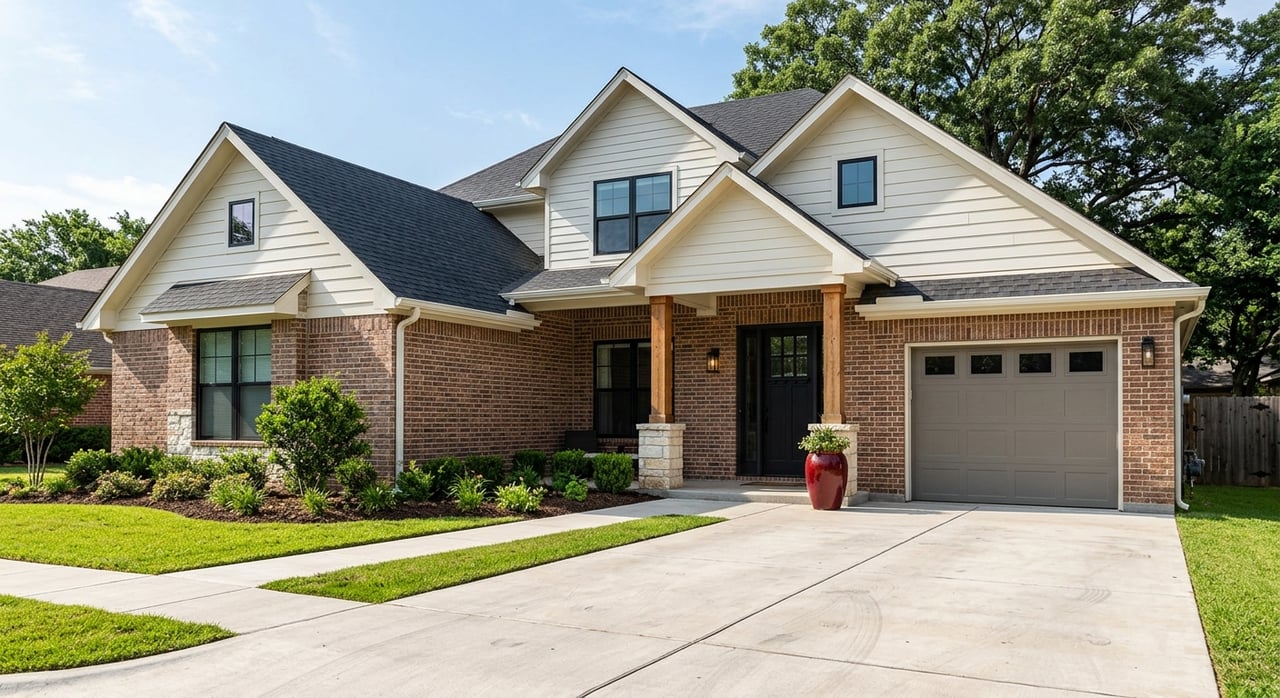
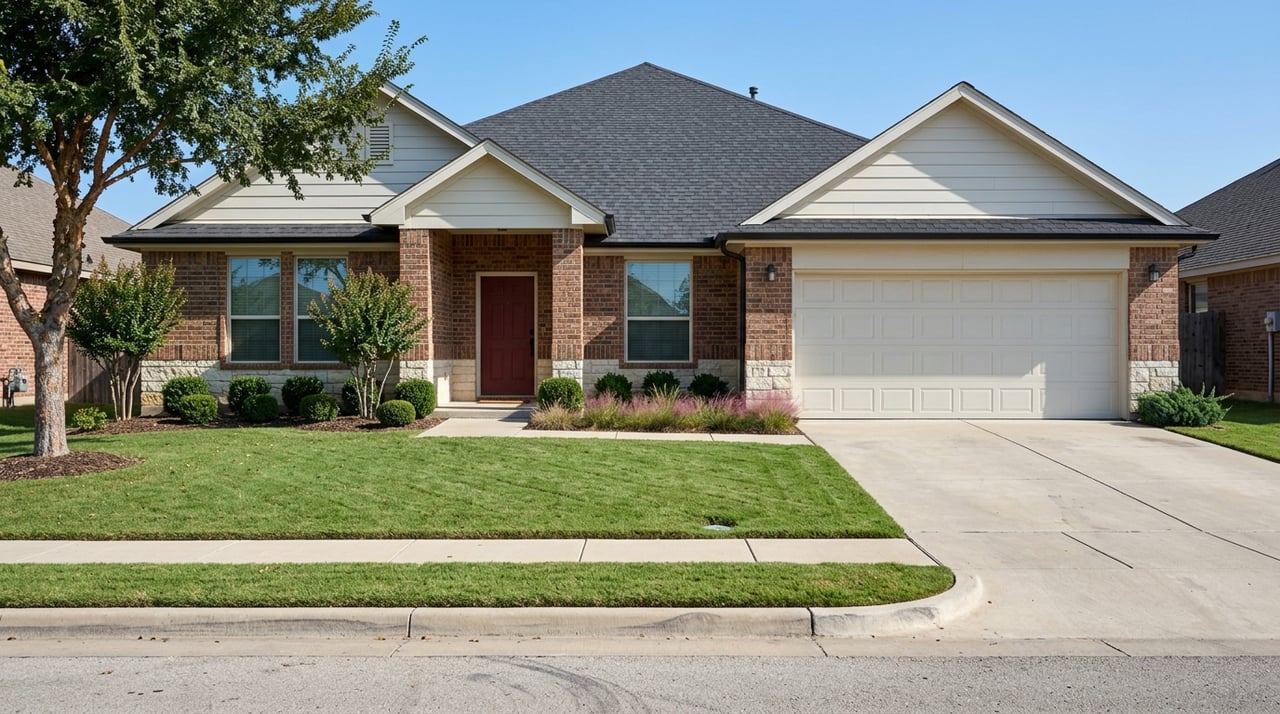
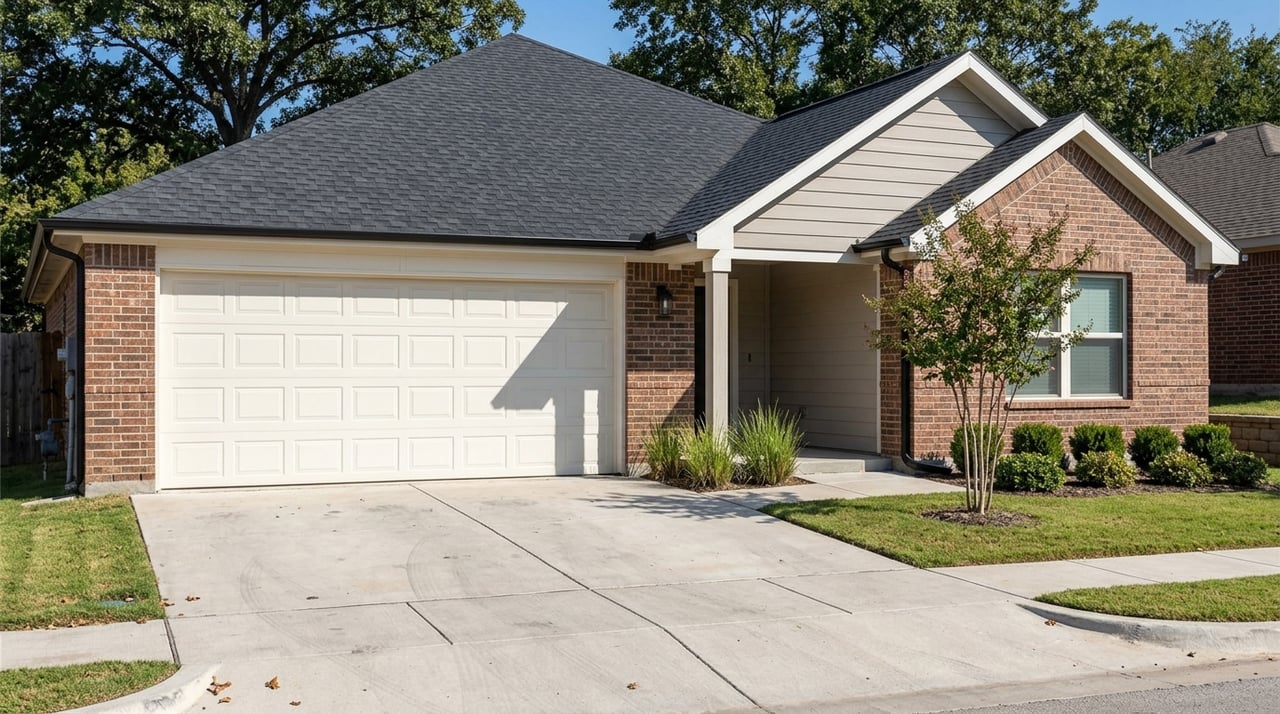
If you are shopping for a rental near Tinker, you will notice a clear pattern in the housing stock. In Midwest City, the FY25-29 Consolidated Plan says 75% of residential properties are one-unit detached homes.
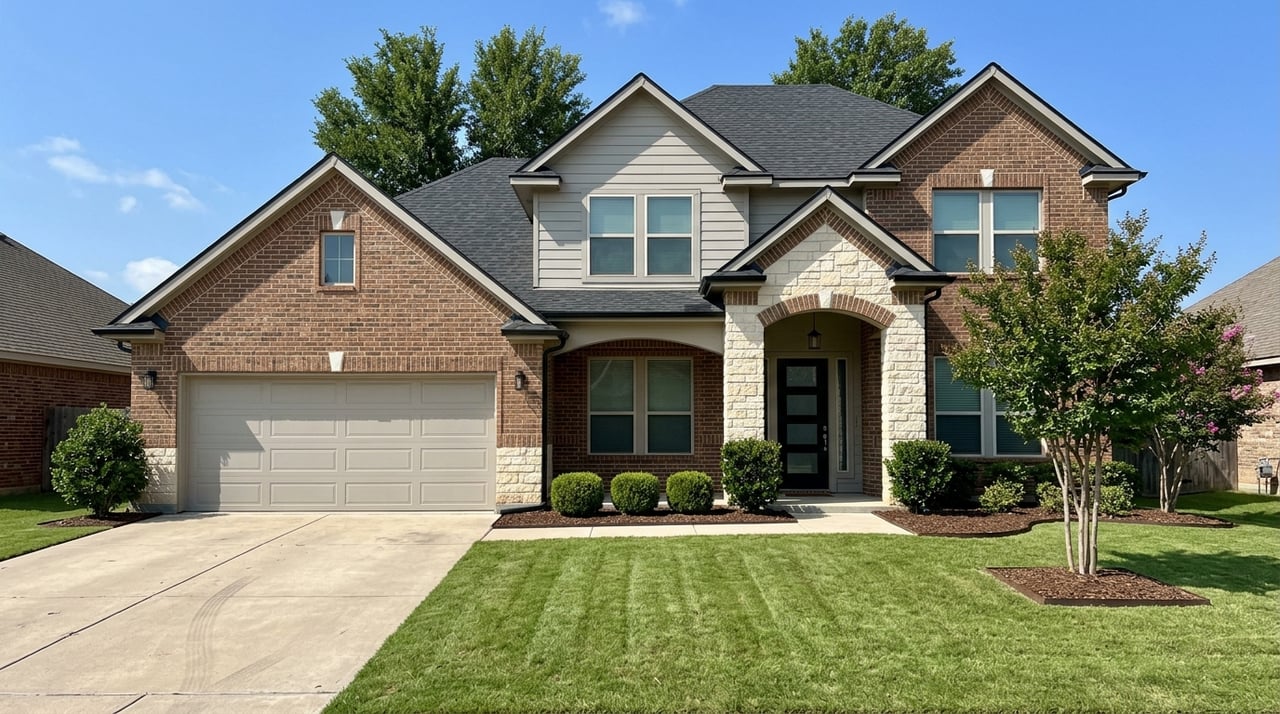
That matters because detached homes often line up well with the needs of small investors and households seeking more space. The same city plan says 43% of renters in Midwest City live in 3+ bedroom units, which is a useful clue if you are deciding between a smaller home and a larger single-family property.
Del City looks similar in overall form. A Del City housing summary reports that 81.2% of homes are detached single-family properties, with a median construction year of 1964.
In plain English, that means you are often buying older housing in a market where detached homes dominate. That can be a strength if you want affordable entry points and family-sized layouts. It can also mean higher repair and update costs than you might see in newer neighborhoods.
One reason this area gets attention from investors is the spread between home values and rents. Current Zillow market data for Midwest City shows an average home value of $165,283 and an average asking rent of $1,299.
For Del City, the same research set shows an average home value of $137,495 and average asking rent of about $1,197. On a simple gross basis, that works out to roughly 9.4% in Midwest City and 10.5% in Del City before you account for taxes, insurance, vacancy, repairs, and management.
Those numbers are useful as a starting point, not a final answer. Gross yield can look attractive on paper, but your actual return depends on the condition of the house, how often it turns over, how much deferred maintenance you inherit, and how smoothly you can keep it occupied.
The biggest caution in Mid/Del City is not demand. It is the age of the housing stock. Midwest City’s current planning documents say most of its homes were built before 1980, and the city links that older stock to higher lead-paint risk.
That does not mean older homes should be avoided. It does mean you should expect more diligence before you buy. Roof age, HVAC condition, plumbing materials, electrical updates, windows, drainage, and foundation performance can all affect your long-term returns.
A lower purchase price can disappear quickly if you take on a home with major system issues. In this market, a solid inspection process and a realistic repair budget matter just as much as the rent estimate.
Both submarkets can make sense, but they are not identical.
Midwest City offers direct proximity to Tinker and a housing profile that fits family-sized rentals well. With a large share of detached homes and a meaningful concentration of renters in 3+ bedroom units, it can be a practical place to target entry-to-mid-priced single-family rentals.
For many investors, Midwest City may feel a little more straightforward if the goal is to buy a basic detached home near the base and hold it for steady occupancy. You still need to inspect carefully, but the overall demand story is easy to understand.
Del City can look especially attractive on price. Lower average home values paired with solid asking rents can produce better gross yield on paper.
At the same time, Del City appears to require more administrative attention. Its Housing Inspection Program requires a Certificate of Occupancy before a residential structure can be occupied, and city utilities cannot be started without that certificate. The city also inspects every residential structure, charges a $40 initial inspection fee, and may charge a $100 re-inspection fee.
That does not make Del City a bad investment market. It just means your timeline, paperwork, make-ready planning, and compliance process matter more.
The purchase price is only one part of your monthly math. Property taxes, insurance, maintenance, vacancy, and turnover all affect whether a rental performs the way you expect.
For broad context, the Tax Foundation’s 2024 county-level data puts Oklahoma County’s effective property tax rate on owner-occupied housing at 0.92%. Investor-owned properties can differ by parcel and exemptions, but the rate still gives you a useful benchmark when you are stress-testing a deal.
You should also budget for older-home maintenance. In this part of the metro, routine repairs and make-ready work can hit returns faster than many first-time investors expect.
Weather is not just a background issue in central Oklahoma. It can directly affect your insurance costs, repair reserves, and property selection.
Del City states that it participates in the National Flood Insurance Program and contains mapped floodplains. It also notes that federally backed loans in Special Flood Hazard Areas require flood insurance and that standard homeowners policies usually do not cover flood damage.
That is a big deal if you are comparing two similar houses and one sits in a flood-prone area. A lower purchase price may not be a bargain if flood insurance or water risk adds cost and uncertainty.
Del City also notes on its severe weather page that the city maintains eight outdoor warning sirens and that tornado risk is highest from March through June. For landlords, that means you should think beyond the mortgage payment and plan for storm-related repairs and response time.
Based on the local housing mix and renter profile, the cleanest fit for many small investors is a detached home with three or more bedrooms. That aligns with Midwest City’s renter concentration in larger units and the area’s broader family-oriented demand tied to Tinker and surrounding employment.
You may also want to favor homes with durable, already-updated systems. In a market filled with older houses, a property with solid major components can save you from frequent cash calls after closing.
A practical buy-and-hold target in this area often looks like this:
Yes, if your goal is affordable entry and you are comfortable managing an older home. Mid/Del City offers a strong demand story because of Tinker, a large supply of detached housing, and price points that may be more accessible than many other parts of the metro.
Maybe not, if you want a low-maintenance, hands-off rental. Older homes, weather exposure, city inspection requirements, and make-ready costs can all add work and reduce margin if you buy the wrong property.
The best opportunities here are usually not the flashiest homes. They are the well-located, well-maintained houses that match local renter needs and do not come with expensive surprises.
If you want help sorting through rental options, comparing Midwest City and Del City, or lining up a single-family investment that fits your numbers, Steve Mckenzie can help you buy with a clear plan and manage the details with less stress.
Stay up to date on the latest real estate trends.