Moving to Moore Oklahoma from Out of State: What to Expect
April 23, 2026
April 23, 2026
Thinking about moving to Moore from out of state? You are not alone, and you probably have a long list of questions. From weather and commuting to home styles and remote buying, knowing what daily life really looks like can help you make a smarter move. Here is what to expect before you pack the truck and head to Moore.
Moore sits in northern Cleveland County, between Oklahoma City and Norman. According to the City of Moore transportation study, the city is bordered by Oklahoma City on three sides and Norman to the south.
That location is a big reason many buyers consider Moore. You get a suburban setting with easy access to the larger Oklahoma City metro, and you are close to shopping, services, and major job centers in nearby cities.
Moore is also a well-established community, not a far-flung exurb still taking shape. The city had an estimated population of 63,845 in 2024, with 21.94 square miles of land area and a relatively high owner-occupied housing rate of 67.9%.
If you are moving from another state, Moore will likely feel suburban, practical, and connected. The city has a strong local retail base, with more than $1.048 billion in retail sales in 2022, which is a good sign that everyday errands and services are well supported.
For recreation and community amenities, Moore offers a solid mix of public spaces and facilities. The Station at Central Park includes a recreation center, fitness area, basketball courts, an indoor walking track, and seasonal aquatics. The city also has trails, splash pads, neighborhood parks, and a farmers market.
For many relocating households, that means you can settle into a routine fairly quickly. You will likely find that day-to-day life is centered around home, work, errands, parks, and regional travel around the metro.
One of the biggest adjustments for some out-of-state movers is transportation. Moore is a car-oriented city, and most residents rely on personal vehicles for work, school, shopping, and appointments.
The city reports that 81.5% of residents drive alone to work, while 7.6% carpool and 7.1% work from home. The Census also lists a mean travel time to work of 22.9 minutes, and the city says 87.7% of employed residents work outside Moore.
Public transit is limited. On the City of Moore public transportation page, the city states that it does not offer broad transportation service to the general population, though some age- and program-specific options are available. For most households, having reliable access to a vehicle is part of everyday life here.
If you are new to Oklahoma, the weather may be one of the biggest things to learn. Based on nearby NOAA climate normals for Oklahoma City Will Rogers Airport, the area has an annual mean temperature of 60.1°F, a January mean of 38.2°F, and a July mean of 81.7°F.
In simple terms, you should expect hot summers, cool winters, and quick weather swings during parts of the year. Annual precipitation is 36.39 inches, and annual snowfall averages 6.7 inches, so winter weather happens, but it is usually not the main story.
The bigger issue for many out-of-state buyers is severe weather planning. The city’s hazard mitigation materials identify tornadoes, high winds, hail, flooding, drought, wildfire, and severe winter storms as relevant risks.
That does not mean you should be alarmed, but it does mean you should be prepared. If you are buying in Moore, storm readiness should be part of your home search from day one.
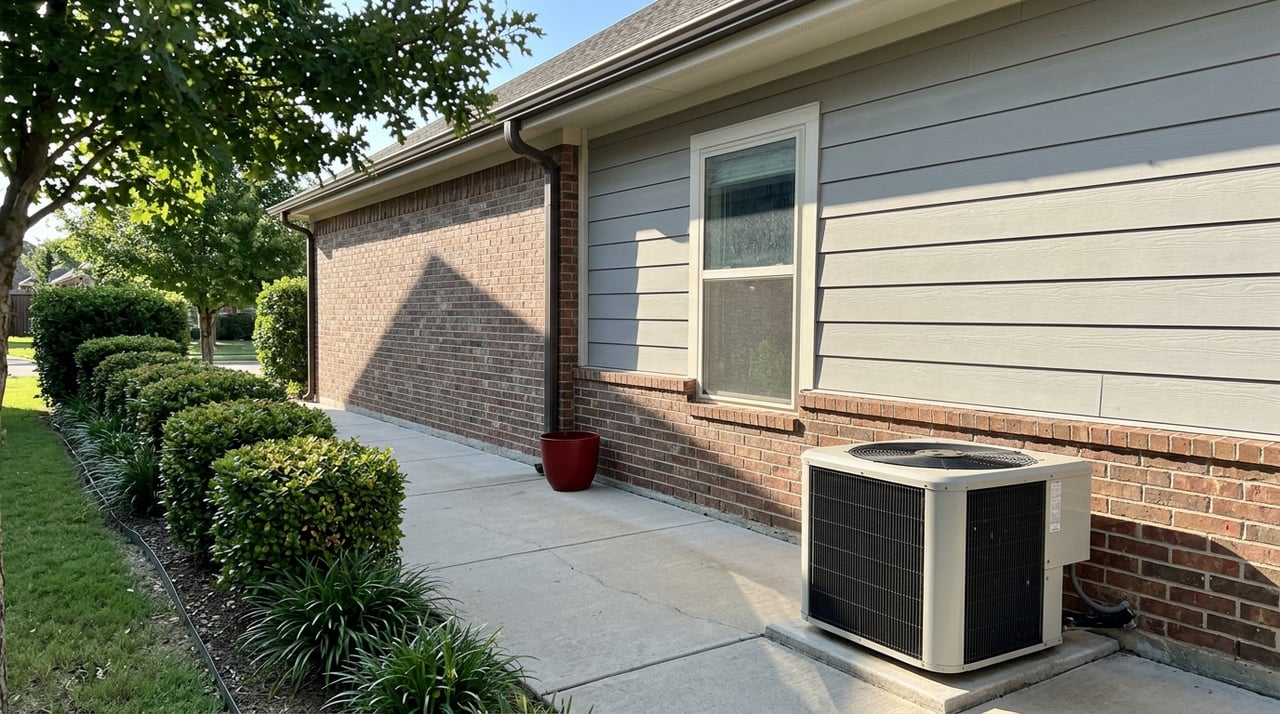
When you tour homes, ask practical questions about severe weather readiness. You may want to look at roof condition, drainage, insurance considerations, and what kind of shelter plan makes sense for the property.
For out-of-state buyers, this is especially important because weather risks may affect both comfort and monthly costs. It is smart to review insurance options and disaster-related risks before you are fully committed to a home.
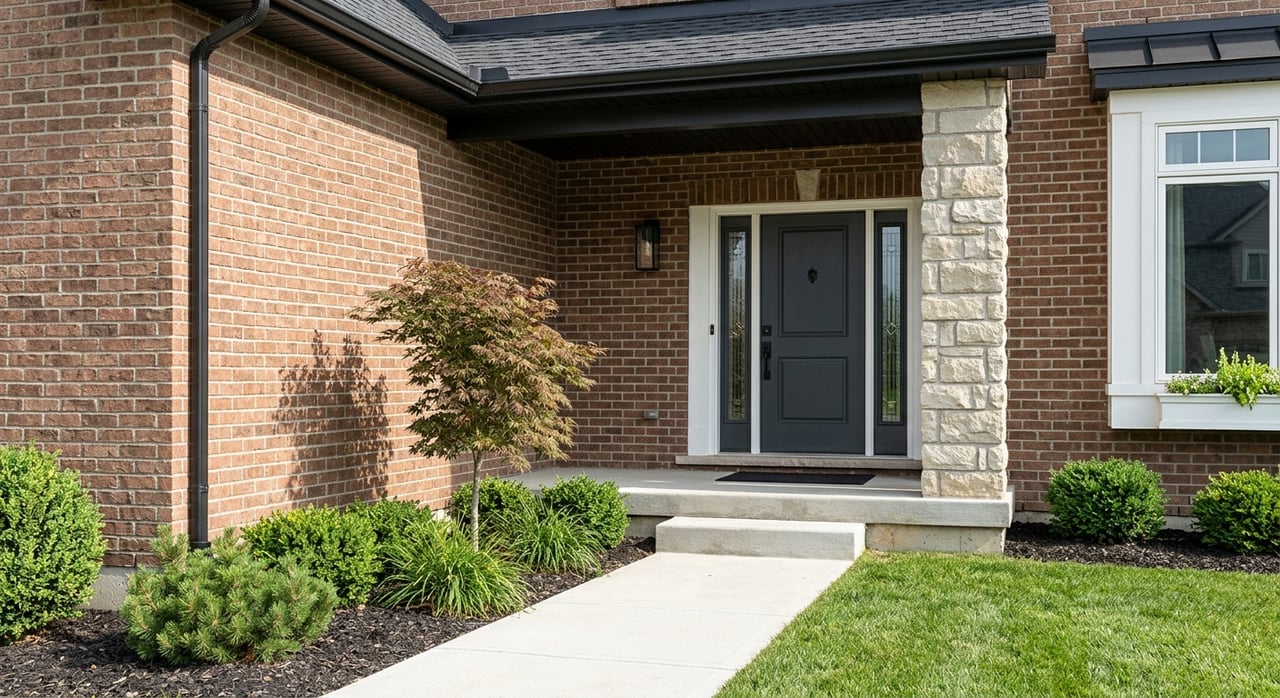
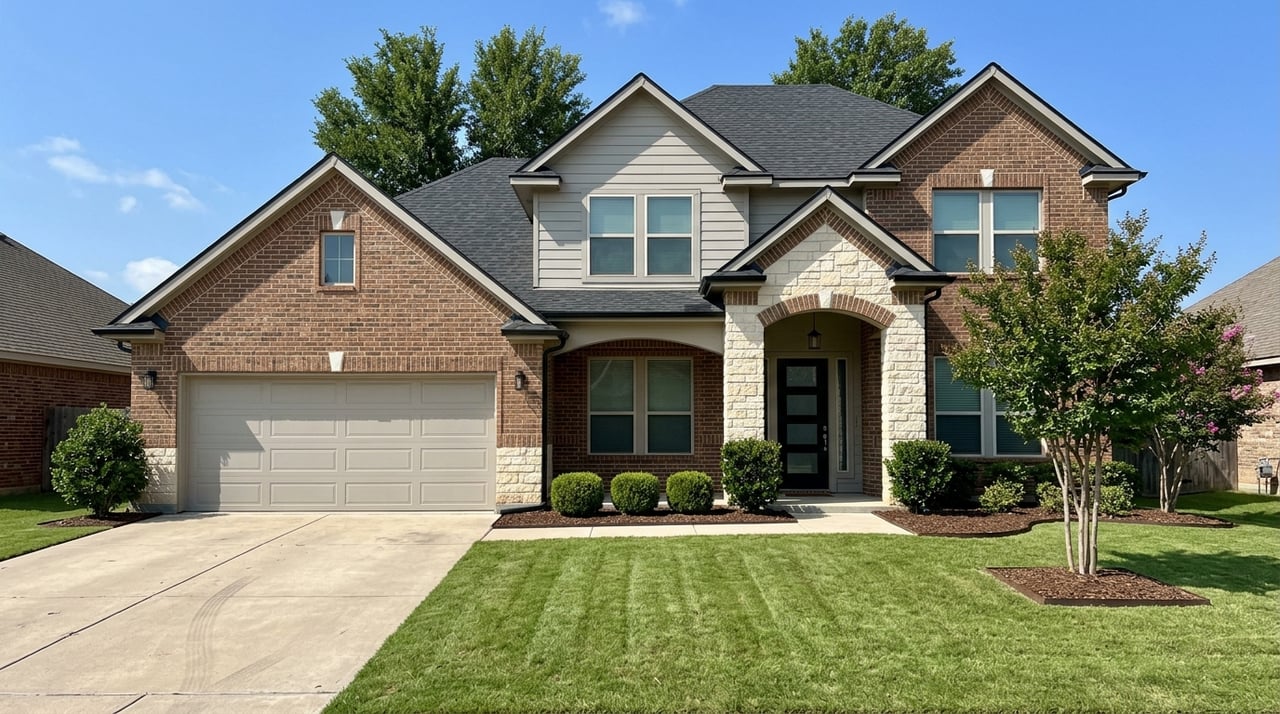
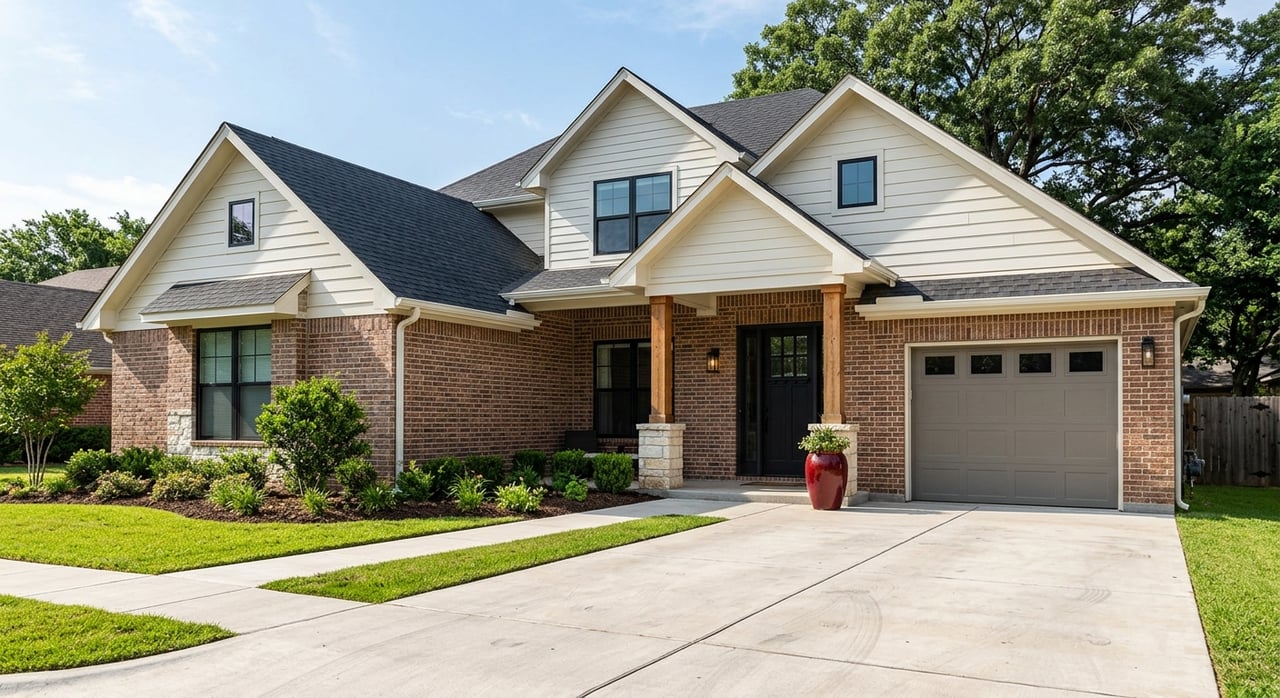
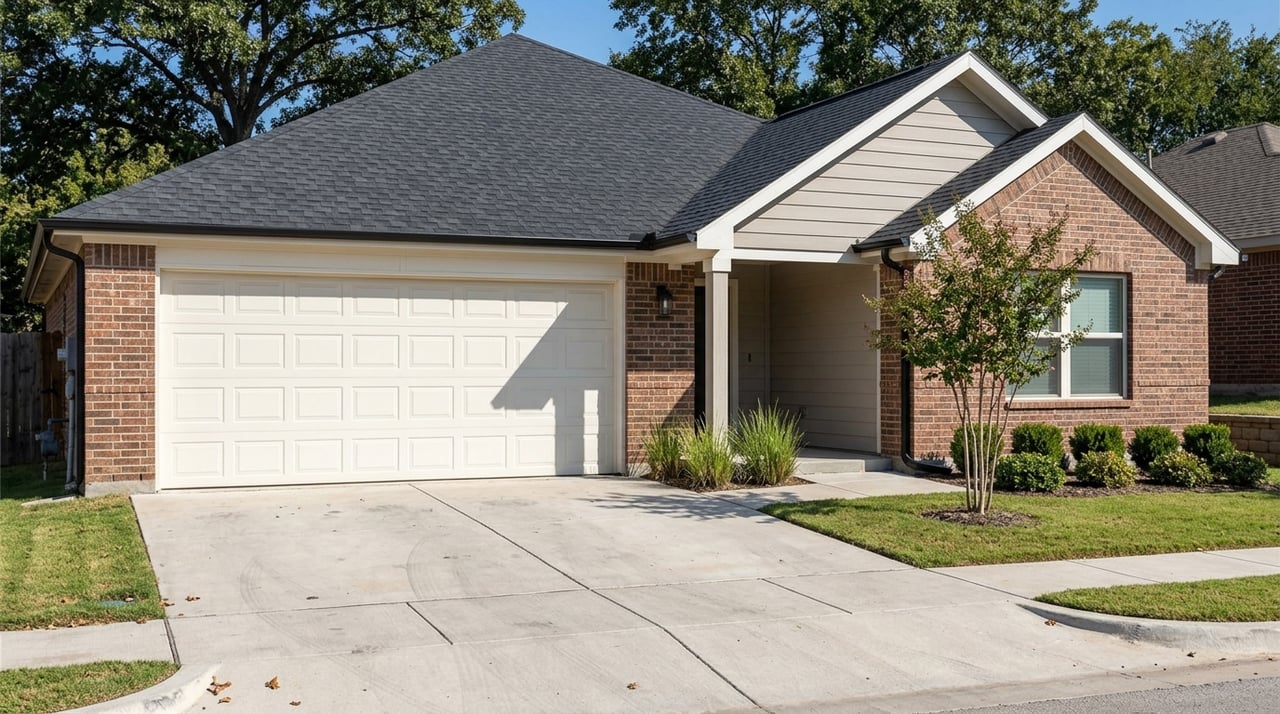
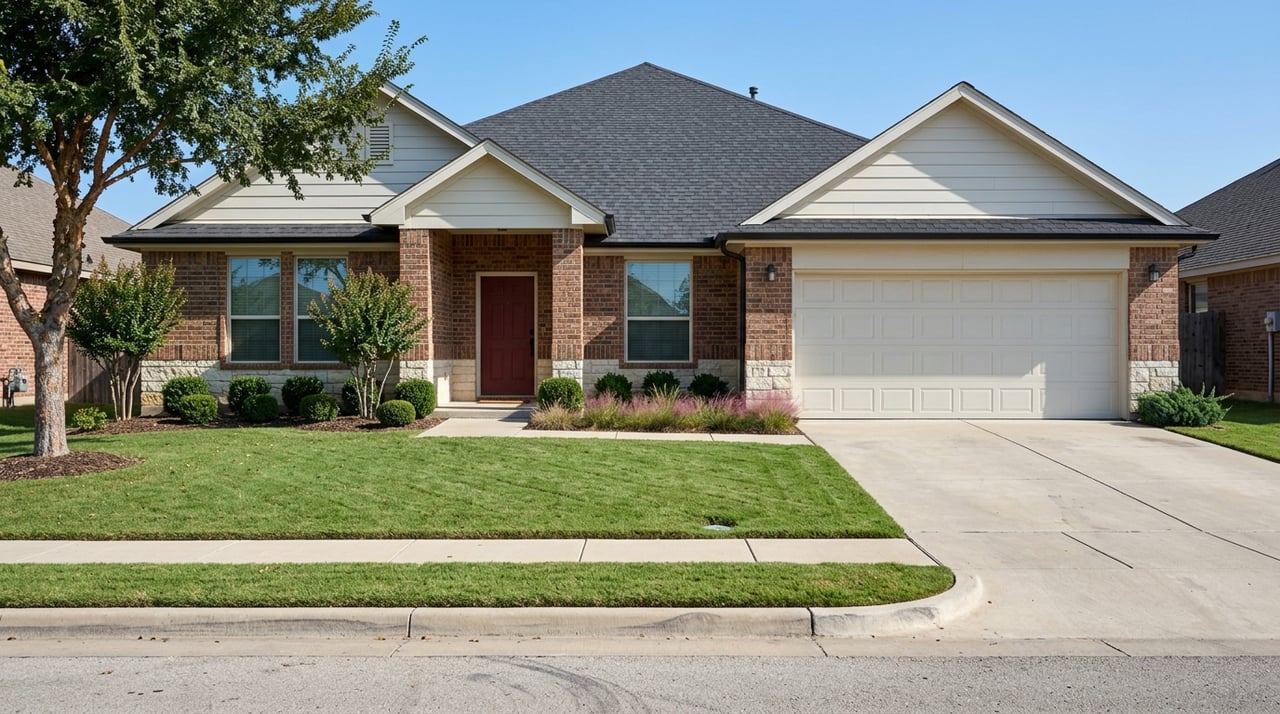
Moore’s housing stock reflects its growth history. The city notes that much of its expansion happened after Interstate 35 was built, and many neighborhoods date back to the 1960s, with a pattern of suburban development and newer infill over time.
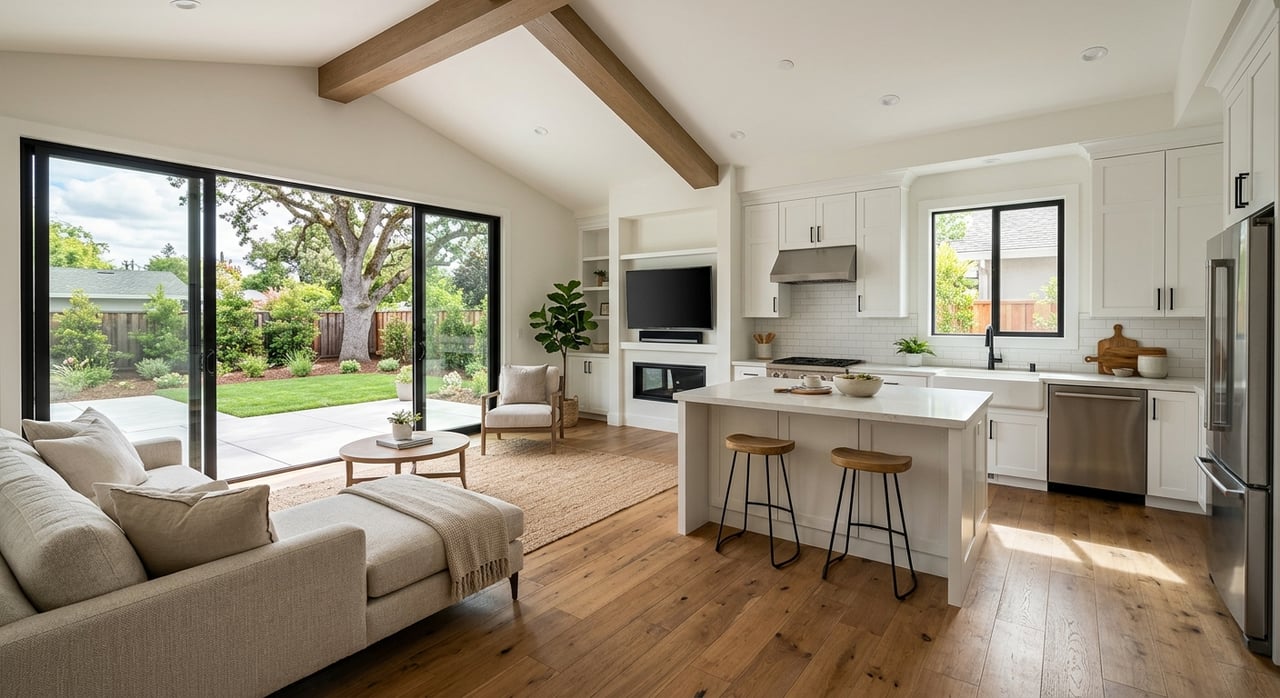
That means you will mostly see single-family homes in established subdivisions rather than a dense urban housing pattern. In practical terms, buyers can expect a mix of mid-century homes, later subdivision-era properties, and some newer infill opportunities, based on the city’s planning materials.
If you are relocating from a higher-cost market, Moore may feel approachable from a pricing standpoint. The Census reports a median owner-occupied home value of $204,500, with a median monthly owner cost with a mortgage of $1,552.
When you move from out of state, it is easy to focus on the home price and overlook the monthly picture. In Moore, it makes sense to compare not just list price, but also mortgage payment, insurance, utilities, commute costs, and any updates the home may need.
The same Census snapshot shows a median rent of $1,340, which gives useful context if you are deciding whether to rent first or buy right away. Either way, your monthly budget matters just as much as your purchase budget.
Many buyers moving to Moore start their search from hundreds or even thousands of miles away. The good news is that remote home shopping is more realistic than ever, and Moore’s 95.0% household broadband rate reflects a well-connected community.
Still, virtual tools should support your decision, not replace your due diligence. The National Association of Realtors notes that virtual tours are now an essential way to evaluate layout and room flow from a distance.
If you are buying from out of state, ask for more than polished listing photos. A smart remote-buying plan often includes:
Buying from another state can feel fast-moving, especially if inventory is limited or your move timeline is tight. That is why your contract terms matter.
The research here points to a careful, practical approach: make offers contingent on financing and a satisfactory inspection, hire an independent inspector early, attend the inspection if possible, and review flood or disaster risk plus insurance costs before moving forward. Those steps can help you avoid surprises after closing.
When you move, the house is only part of the decision. You also want to know whether the community supports your daily needs.
Moore offers a solid mix of public amenities, local retail activity, and city services. For households with school-age children, Moore Public Schools serves pre-K through 12th grade across 34 schools and more than 24,500 students, according to the city’s community information.
Moore also operates the Moore Food & Resource Center, serving south Oklahoma City, Moore, and Norman. Resources like these can matter during a major relocation, especially while you are getting settled and learning the area.
If you want your move to feel less stressful, focus on the basics first. A clear plan usually beats a rushed one.
Here are a few smart steps to take before you buy:
Moving to Moore from out of state means adjusting to a suburban, car-oriented community with solid local conveniences, a mix of established single-family housing, and close ties to the broader Oklahoma City metro. You should expect hot summers, cool winters, and the need to take severe weather planning seriously.
The good news is that Moore offers a practical lifestyle, accessible regional location, and housing costs that may feel more manageable than many larger markets. If you want local guidance as you compare neighborhoods, weigh monthly costs, and build a safe remote-buying plan, Steve Mckenzie can help you navigate the process with clear advice and hands-on support.
Stay up to date on the latest real estate trends.